
Automated Trading in Forex A Comprehensive Guide 1770040641
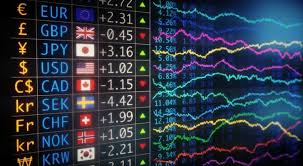
Automated trading, also known as algorithmic trading, is revolutionizing the way traders approach the Forex market. By leveraging technology, traders can execute trades at speeds and frequencies that human traders cannot match. This article will delve into the intricacies of automated trading in the Forex market, exploring its advantages, challenges, and strategies, as well as offering insights on how platforms like automated trading forex Online Trading CM can facilitate your trading journey.
Understanding Automated Trading
Automated trading refers to the use of computer programs and algorithms to execute trades automatically, according to predefined criteria. These criteria can be based on technical indicators, market conditions, or trading signals. The primary goal of automated trading in Forex is to capitalize on market opportunities without the need for constant human intervention.
Benefits of Automated Trading in Forex
There are numerous benefits to adopting automated trading strategies in the Forex market, including:
- Speed: Algorithms can analyze data and execute trades within milliseconds, ensuring that traders can capitalize on fleeting opportunities.
- Backtesting: Traders can test their strategies against historical data to assess performance before deploying them in the live market.
- Emotion-free Trading: Automated systems take emotions out of trading decisions, allowing for more disciplined trading.
- 24/7 Operation: Automated trading systems can operate around the clock, taking advantage of global currency markets without human oversight.
- Diversification: Algorithms can monitor multiple currency pairs simultaneously, allowing for better diversification of trading strategies.
How Automated Trading Works
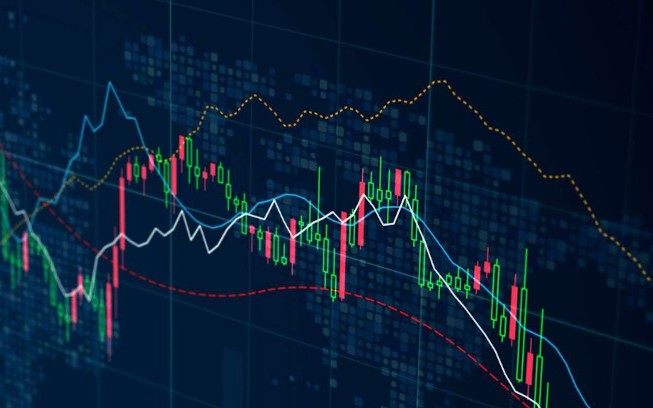
Automated trading systems rely on algorithms that identify trading signals based on a predetermined set of rules. These signals can be generated using various technical indicators, such as moving averages, relative strength index (RSI), or Bollinger Bands. Once a signal meets the criteria established, the algorithm executes a trade on behalf of the trader.
The process begins with the trader developing a strategy, which is then translated into an algorithm. This may include specifying entry and exit points, stop-loss levels, and risk management parameters. After a strategy is programmed, it can be tested (backtested) on historical data to evaluate its efficacy.
Choosing the Right Automated Trading Platform
Selecting a suitable platform for automated trading is crucial to the success of your Forex trading endeavors. When choosing, consider the following factors:
- Regulation: Ensure the platform is regulated by a reputable authority, which can provide additional safety and security.
- User Interface: A user-friendly interface can significantly enhance your trading experience and efficiency.
- Execution Speed: Look for platforms that offer low latency and high-speed execution to capitalize on market movements.
- Support for Algorithmic Trading: Check if the platform supports the programming language you intend to use for your algorithms (e.g., MQL4/5 for MetaTrader).
- Backtesting Features: A platform that offers robust backtesting capabilities can help refine your strategies.
Common Challenges in Automated Trading
While automated trading offers significant advantages, it also comes with challenges that traders must navigate:
- Over-Optimization: Traders may inadvertently create algorithms that work well on historical data but fail in live markets, a phenomenon known as overfitting.
- Technical Failures: Systems can experience glitches, outages, or bugs that can lead to unintended trading behavior.
- Market Changes: Strategies that were once successful may become less effective due to changing market conditions, requiring constant reassessment and adjustment.
- Lack of Human Judgment: Automated systems may not be able to react to unforeseen market events or news, which can impact currency prices.
- Emotional Detachment: While automation removes emotional bias, it can also lead some traders to become less engaged with their trading, which can be detrimental in other ways.
Popular Automated Trading Strategies
Several strategies have gained popularity in the realm of automated Forex trading. These include:
1. Trend Following

This strategy involves identifying and following the direction of market trends using various indicators, such as moving averages or trend lines. Trading algorithms execute trades in the direction of the trend.
2. Mean Reversion
Mean reversion strategies assume that prices will eventually return to their average. Algorithms can be programmed to identify overbought or oversold conditions and place trades accordingly.
3. Arbitrage
Arbitrage takes advantage of price discrepancies between different markets or currency pairs. Automated systems can quickly identify and execute trades to exploit these differences.
4. Breakout Trading
This strategy focuses on price breakouts from key levels of support or resistance. Automated trading systems can monitor prices and execute trades once a breakout occurs, aiming to capture price movements.
Final Thoughts on Automated Trading in Forex
Automated trading in Forex presents an exciting opportunity for traders to harness the power of technology to enhance their trading strategies. By offering speed, accuracy, and emotion-free decision-making, it can significantly improve trading outcomes. However, traders must remain vigilant in understanding the risks and challenges that come with using automated systems. Continuous learning, testing, and adaptability are essential components for success in the ever-evolving Forex market.