
Mastering Forex Trading in TradingView
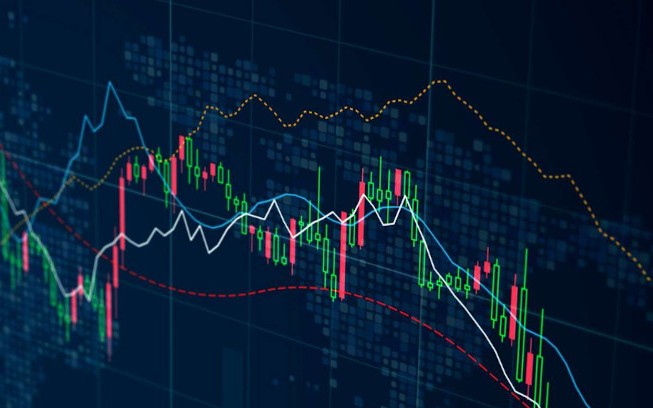
Forex trading has gained immense popularity in recent years, especially with the advent of advanced platforms like TradingView. trading forex in tradingview Trading Platform HK serves traders by providing a comprehensive analysis and user-friendly experience. In this article, we will explore how to leverage TradingView’s features to enhance your Forex trading strategy.
What is Forex Trading?
Forex, or foreign exchange, is the largest financial market in the world, with a daily trading volume exceeding $6 trillion. Traders engage with this market to speculate on currency value fluctuations. Unlike stock markets, Forex trading operates 24 hours a day, five days a week, allowing for flexibility in trading.
Why Choose TradingView for Forex Trading?
TradingView is a web-based charting platform that has revolutionized how traders engage with various financial markets, including Forex. Here are some reasons why it stands out:
- User-Friendly Interface: TradingView offers an intuitive interface, making it accessible for both novice and experienced traders.
- Advanced Charting Tools: The platform provides numerous technical indicators and drawing tools that allow traders to conduct in-depth analysis.
- Community and Ideas: Traders can share and discuss their trading ideas, strategies, and experiences with a global community.
- Customization: Users can tailor charts and workspaces to suit their individual trading styles and preferences.
Setting Up TradingView for Forex Trading
To start trading Forex on TradingView, you’ll first need to create an account. The registration process is simple and requires minimal information. Once registered, follow these steps:
- Select Forex Pairs: Use the search bar to find currency pairs you want to trade, such as EUR/USD, GBP/USD, or AUD/JPY.
- Customize Your Charts: By right-clicking on the chart, you can adjust timeframes, styles, and indicators.
- Add Technical Indicators: Click on the «Indicators» button to access a wide range of tools, including RSI, MACD, and Fibonacci retracement levels.
- Create Watchlists: Save your favorite currency pairs in a watchlist for quick access.
Utilizing Indicators for Better Decision Making
Utilizing technical indicators is crucial for making informed trading decisions in Forex. Here are some popular indicators used by traders on TradingView:
1. Relative Strength Index (RSI)
The RSI is a momentum oscillating indicator that measures the speed and change of price movements. Typically, an RSI above 70 indicates overbought conditions, while below 30 indicates oversold conditions.
2. Moving Averages
Moving averages help smooth out price action and identify trends. Traders often use the 50-day and 200-day moving averages to signal potential buy or sell opportunities.
3. Bollinger Bands
Bollinger Bands consist of a middle band (simple moving average) and two outer bands. Price movements outside the bands can indicate potential price reversals.
Creating and Backtesting Trading Strategies
One of the standout features of TradingView is the ability to create and backtest trading strategies using Pine Script, TradingView’s scripting language. Here’s how you can do it:
- Develop a Strategy: Define your entry and exit conditions based on your chosen indicators.
- Use Pine Script: Write your strategy in Pine Script. TradingView provides a user-friendly editor to facilitate this process.
- Backtest Your Strategy: Once your strategy is coded, use TradingView’s built-in backtesting tools to see how it would have performed in the past.
Staying Updated with Market News
Forex trading heavily relies on economic news and geopolitical events. TradingView includes a news feature that aggregates relevant information. Keeping an eye on economic calendars is essential for anticipating market movements and making sound decisions.
Risk Management in Forex Trading
Effective risk management is vital in Forex trading. Here are some strategies to mitigate risk:
- Set Stop-Loss Orders: Always use stop-loss orders to limit potential losses.
- Position Sizing: Determine the appropriate position size based on your account balance and risk tolerance.
- Diversification: Avoid putting all your capital into a single trade; diversify your investments across different currency pairs.
Conclusion
Forex trading in TradingView offers an array of tools and features that empower both beginner and experienced traders. By utilizing advanced charting features, indicators, and effective strategies, traders can enhance their trading experience and improve their profitability. Remember to keep learning, stay updated with market news, and practice risk management to navigate the Forex market successfully.