
Comprehensive Forex Trading Tutorial for Beginners 1632243625

Comprehensive Forex Trading Tutorial for Beginners
Welcome to the world of forex trading! If you are looking to understand the intricacies of currency trading, you’ve come to the right place. This forex trading tutorial will guide you step by step through the fundamental concepts of forex, including how to identify profitable trading opportunities and manage risks effectively. Before we dive into the details, you might want to explore forex trading tutorial Uzbekistan Brokers to find a broker that suits your trading style.
Understanding Forex Trading
Forex trading, also known as foreign exchange trading, is the process of buying and selling currencies in the foreign exchange market. It is one of the largest financial markets in the world, with a daily trading volume exceeding $6 trillion. Forex trading involves trading currency pairs, where one currency is exchanged for another. The value of these currencies fluctuates based on economic factors, political stability, and market sentiment.
Choosing a Forex Broker
The first step in your forex trading journey is to choose a reliable broker. A broker acts as an intermediary between you and the interbank market, allowing you to execute trades. When selecting a broker, consider the following factors:
- Regulation: Ensure the broker is regulated by a reputable financial authority.
- Trading Platform: Look for user-friendly platforms with advanced tools and features.
- Spreads and Commissions: Evaluate the costs associated with trading.
- Customer Support: Access to reliable support can help you resolve issues quickly.
Understanding Currency Pairs
Currencies are traded in pairs, such as EUR/USD (Euro/US Dollar) or GBP/JPY (British Pound/Japanese Yen). The first currency in the pair is known as the base currency, while the second currency is the quote currency. The exchange rate indicates how much of the quote currency you need to purchase one unit of the base currency. For example, if the EUR/USD pair is trading at 1.20, it means 1 Euro is equivalent to 1.20 US Dollars.
Types of Orders in Forex Trading
Understanding the different types of orders is critical for effective forex trading. Here are the most common types:
- Market Order: An order to buy or sell a currency pair at the current market price.
- Limit Order: An order to buy or sell a currency pair at a specified price or better.
- Stop-Loss Order: A risk management tool that allows you to limit losses by closing a trade at a predetermined price.
- Take Profit Order: An order to close a trade once it reaches a specified profit level.
Technical Analysis in Forex Trading
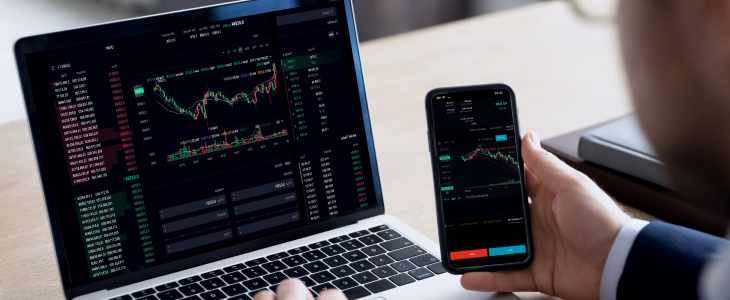
Technical analysis involves analyzing historical price data to identify patterns and predict future price movements. Here are some tools commonly used in technical analysis:
- Charts: Price charts can provide visual insights into price movements over time.
- Indicators: Trading indicators such as moving averages, RSI, and MACD help traders identify trends and potential entry or exit points.
- Support and Resistance Levels: These are price levels where the market has historically reversed direction, providing insight into potential trading opportunities.
Fundamental Analysis in Forex Trading
While technical analysis focuses on price patterns, fundamental analysis considers economic factors that influence currency values. Key economic indicators include:
- Interest Rates: Central banks set interest rates, which impact currency valuation.
- Economic Data: Reports on GDP, employment figures, and inflation rates can influence market sentiment.
- Geopolitical Events: Political instability or major news events can lead to significant market movements.
Risk Management in Forex Trading
Managing risk is essential for long-term success in forex trading. Here are some strategies to help you manage risk:
- Set a Risk-Reward Ratio: Aim for a favorable risk-reward ratio on your trades (e.g., risking 1 to gain 2).
- Use Position Sizing: Determine the size of your trades based on your account balance and risk tolerance.
- Implement Stop-Loss Orders: Always set stop-loss orders to mitigate losses in case the market moves against you.
Creating a Trading Plan
A trading plan outlines your trading strategy, including entry and exit points, risk management, and performance evaluation. A well-defined plan can help you stay disciplined and focused in the ever-changing forex market. Here’s what to include in your trading plan:
- Trading Goals: Define your short-term and long-term trading objectives.
- Market Analysis: Determine your preferred analysis methods (technical, fundamental, or both).
- Risk Management Strategy: Specify how you will manage risk and set stop-loss and take-profit levels.
- Record Keeping: Maintain a trading journal to track your trades and analyze your performance.
Continuous Learning and Adaptation
The forex market is dynamic, and continuous learning is essential for success. Consider the following resources to enhance your trading skills:
- Online Courses: Many platforms offer free and paid courses on forex trading.
- Books: Read books by successful traders to gain insights and strategies.
- Forums and Webinars: Join trading communities to discuss ideas and learn from others.
Conclusion
Forex trading can be a rewarding venture if approached with the right knowledge and skills. By understanding the basics, choosing a reliable broker, and employing effective trading strategies, you can navigate the forex market with confidence. Always remember to practice disciplined risk management and stay committed to continuous learning. The path to success in forex trading requires dedication, patience, and resilience, but with time, it can lead to significant financial opportunities.